Los Cánones de Dort (1619), 1.4-7

ARTÍCULO IV.

Los que no creen en este Evangelio, la ira de Dios está sobre ellos. Pero los que lo reciben, y abrazan a Jesús el Salvador mediante una fe viva y verdadera, son librados por Él de la ira de Dios y de la destrucción, y dotados de la vida eterna.

ARTÍCULO V.

La causa o culpa de esa incredulidad, así como de todos los demás pecados, de ninguna manera está en Dios, sino en el hombre. Pero la fe en Jesucristo y la salvación por medio de Él es un don gratuito de Dios; según está escrito: “Porque por gracia habéis sido salvados por medio de la fe, y esto no de vosotros, sino que es don de Dios” (Efesios 2:8). Y así mismo: “porque a vosotros se os ha concedido por amor de Cristo, no solo creer en Él” (Filipenses 1:29).

ARTÍCULO VI.

Que algunos reciban el don de la fe de Dios y otros no lo reciban, procede del decreto eterno de Dios, “que hace saber todo esto desde tiempos antiguos” (Hechos 15:18Efesios 1:11). Según tal decreto ablanda, por pura gracia, los corazones de los elegidos, por obstinados que sean, y les inclina a creer, pero según Su justo juicio abandona a su maldad y obstinación a quienes no son elegidos. Y es aquí donde, estando los hombres en similar condición de perdición, se nos revela esa profunda, misericordiosa e igualmente justa distinción de personas, o ese decreto de elección y reprobación revelado en la Palabra de Dios. El cual, si bien los hombres perversos, impuros e inestables tuercen para su propia destrucción, también da un inefable consuelo a las almas santas y temerosas de Dios.

ARTÍCULO VII.

Esta elección es un propósito inmutable de Dios mediante el cual Él, antes de la fundación del mundo, de entre todo el género humano caído, por su propia culpa, de su estado original de rectitud, en el pecado y la perdición, predestinó en Cristo para salvación, por pura gracia y según el beneplácito de Su voluntad, a cierto número de personas, no siendo mejores o más dignas que las demás, sino hallándose en la misma miseria que aquellas; y puso a Cristo, también desde la eternidad, por Mediador y Cabeza de todos los elegidos, y por fundamento de la salvación. Y, a fin de que fueran hechos salvos por Cristo, Dios decidió también dárselos a Él, llamarlos y atraerlos poderosamente a Su comunión por medio de Su Palabra y Espíritu Santo, o lo que es lo mismo, dotarlos de verdadera fe en Cristo, justificarlos, santificarlos y, finalmente, guardándolos poderosamente en la comunión de Su Hijo, glorificarlos en demostración de Su misericordia y para alabanza de las riquezas de Su gracia soberana. Conforme está escrito: “según nos escogió en Él antes de la fundación del mundo, para que fuéramos santos y sin mancha delante de Él. En amor nos predestinó para adopción como hijos para sí mediante Jesucristo, conforme al beneplácito de su voluntad, para alabanza de la gloria de su gracia que gratuitamente ha impartido sobre nosotros en el Amado” (Efesios 1:4-6); y en otro lugar: “y a los que predestinó, a ésos también llamó; y a los que llamó, a ésos también justificó; y a los que justificó, a ésos también glorificó” (Romanos 8:30).


[Lea más aquí.]

“Life Judicial”

You know, when a man receives a pardon from Government, he is said to receive his life. So it is here. This word is used in the same sense in [John 5:24], “Verily, verily, I say unto you, He that heareth my word, and believeth on him that sent me, hath everlasting life, and shall not come into condemnation; but is passed from death unto life.” In this verse, you will notice that life is opposed to condemnation, and it appears to mean justification. The same meaning may be attached to those words in the 20th chapter, 31st verse, “These are written, that ye might believe that Jesus is the Christ, the Son of God; and that, believing, ye might have life through his name.” See also the first epistle of John, 5th chapter, 12th verse, “He that hath the Son hath life; and he that hath not the Son hath not life.” In this passage, life appears to be the pardon of all sin, and admission into the favour of God. And it is said in Proverbs, “He that findeth me findeth peace.” Now, Christ, when he stood in the midst of the Jews, knew that they were all under the sentence of the broken law, and he knew that he was to die for sinners: therefore, he said to them, “Ye will not come to me, that ye might have life.” In my hand there is a pardon: “The Son of man hath power on earth to forgive sins:” yet ye will not come to me. This is true among yourselves: He is as much here present as he was then. He has suffered, the just for the unjust. He has died for sinners, and now he offers you pardon. Why are ye not saved? The reason is, ye will not come to him, that ye might have life.

-Robert Murray M’Cheyne (1813-1843)

“Of Baptism”

I. Baptism is a sacrament of the New Testament, ordained by Jesus Christ,a not only for the solemn admission of the party baptized into the visible Church,b but also to be unto him a sign and seal of the covenant of grace,c of his ingrafting into Christ,d of regeneration,e of remission of sins,f and of his giving up unto God, through Jesus Christ, to walk in newness of life:g which sacrament is, by Christ’s own appointment, to be continued in his Church until the end of the world.h

a. Mat 28:19. • b. 1 Cor 12:13. • c. Rom 4:11 with Col 2:11-12. • d. Rom 6:5Gal 3:27. • e. Titus 3:5. • f. Mark 1:4. • g. Rom 6:3-4. • h. Mat 28:19-20.

Continue reading ““Of Baptism””

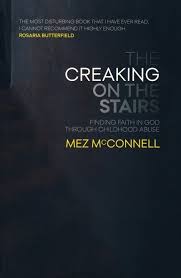
The Creaking on the Stairs

Just finished listening to this audiobook, The Creaking on the Stairs: Finding Faith in God Through Childhood Abuse. Very highly recommended. Rosaria Butterfield says in the forward, “The most disturbing book that I have ever read, and I cannot recommend it highly enough.” While I can’t say it is the most disturbing book I’ve ever read, the subject matter is beyond doubt extremely disturbing … and yet heavenly at the same time, which is why I heartily second Rosaria.

Continue reading “The Creaking on the Stairs”

El Segundo Mandamiento

P. 107. ¿Cuál es el segundo mandamiento?
R. El segundo mandamiento es: No te harás imagen, ni ninguna semejanza de cosa que esté arriba en el cielo, ni abajo en la tierra, ni en las aguas debajo de la tierra: no te inclinarás a ellas, ni las honrarás; porque yo soy Jehová tu Dios, fuerte, celoso, que visita la maldad de los padres sobre los hijos, sobre los terceros y sobre los cuartos, a los que me aborrecen, y que hace misericordia a millares a los que me aman, y guardan mis mandamientos.[1]

[1] Éxodo 20:4-6

Continue reading “El Segundo Mandamiento”

The Second Commandment

Q. 107. Which is the second commandment?
A. The second commandment is, Thou shalt not make unto thee any graven image, or any likeness of anything that is in heaven above, or that is in the earth beneath, or that is in the water under the earth: thou shalt not bow down thyself to them, nor serve them: for I the Lord thy God am a jealous God, visiting the iniquity of the fathers upon the children, unto the third and fourth generation of them that hate me; and showing mercy unto thousands of them that love me, and keep my commandments.

Ex. 20:4-6.

Continue reading “The Second Commandment”