Aunque la luz de la naturaleza y las obras de creación y de providencia manifiestan la bondad, sabiduría, y poder de Dios de tal manera que los hombres quedan sin excusa, (1) sin embargo, no son suficientes para dar aquel conocimiento de Dios y de  su voluntad que es necesario para la salvación; (2) por lo que le agradó a Dios en varios tiempos y de diversas maneras revelarse a sí mismo y declarar su voluntad a su Iglesia; (3) y además, para conservar y propagar mejor la verdad y para el mayor consuelo y establecimiento de la Iglesia contra la corrupción de la carne, malicia de Satanás y del mundo, le agradó dejar esa revelación por escrito, (4) por todo lo cual las Santas Escrituras son muy necesarias, (5) y tanto más cuanto que han cesado ya los modos anteriores por los cuales Dios reveló su voluntad a su Iglesia. (6).
1. Romanos 2:14,15; Romanos 1:19,20; Salmos 19:1-3; Romanos 1:32 y 2:1
2. 1 Corintios 1:21 y 2:13,14.
3. Hebreos 1:1.
4. Lucas 1:3,4; Romanos 15:4; Mateo 4:4,7,10; Isaías 8:19,20; Proverbios 22:14-21.
5. 2 Timoteo 3:15; 2 Pedro 1:19.
6. Hebreos 1:1,2.
–Confesio de Fe de Westminster 1.1 (1646)

 “When our Savior speaks to us concerning what constitutes our true blessedness He is simply describing His own experience. The beatitudes are not the immediate revelation of His Godhead, they are much more the impressive testimony of His manhood. He knew the truth of what He was saying because He had verified it all in Himself for thirty experimental years.”
 Si, claro! Todos los creyentes están llamados a servir y ministrarse unos a otros».
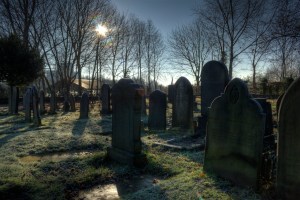 The [Apostles’] Creed next mentions, that he “was dead and buried”. Here again it is necessary to consider how he substituted himself in order to pay the price of our redemption. Death held us under its yoke, but he in our place delivered himself into its power, that he might exempt us from it. This the Apostle means when he says, “that he tasted death for every man,” (Heb 2:9). By dying he prevented us from dying; or (which is the same thing) he by his death purchased life for us. But in this he differed from us, that in permitting himself to be overcome of death, it was not so as to be engulfed in its abyss, but rather to annihilate it, as it must otherwise have annihilated us; he did not allow himself to be so subdued by it as to be crushed by its power; he rather laid it prostrate, when it was impending over us, and exulting over us as already overcome. In fine, his object was, “that through death he might destroy him that had the power of death, that is, the devil, and deliver them who through fear of death were all their lifetime subject to bondage,” (Heb 2:14-15).
 The Reformed Parish