

“It is appointed unto men once to die, but after that the judgment” (Heb. 9:27). This teaches that prior to death, man’s destiny is not decided, he being not yet sentenced; but after death, his destiny is settled. When he dies, the “private judgment,” that is, the immediate personal consciousness either of penitence or impenitence, occurs. Every human spirit, in that supreme moment when it “returns to God who gave it,” knows by direct self-consciousness whether it is a child or an enemy of God, in temper and disposition; whether it is humble and contrite, or proud, hard, and impenitent; whether it welcomes or rejects the Divine mercy in Christ. The article of death is an event in human existence which strips off all disguises, and slows the person what he really is, in moral character. He “knows as he is known,” and in this flashing light passes a sentence upon himself that is accurate. This “private judgment” at death, is reaffirmed in the “general judgment” of the last day.
-W.G.T. Shedd

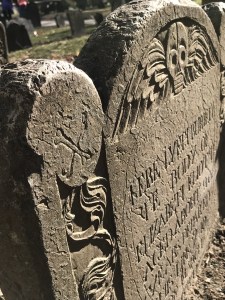 The following quote will strike our death-insulated, secular, consumerist age as morbid if not cruel. But as death is inescapable, we would do well to learn from a wiser generation
  “Todo hombre que tiene su esperanza en Cristo, se purifica a sí mismo”. 1 Juan 3: 3. Un sermón de J. C. Ryle (1816-1900)
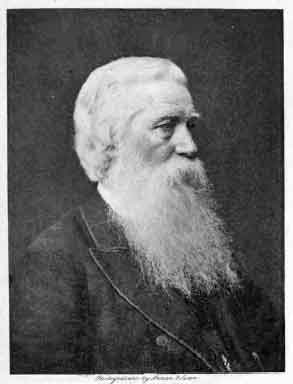 An excerpt from the classic missionary autobiography, John G. Paton: Missionary to the New Hebridies.
